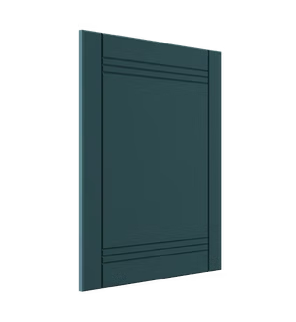
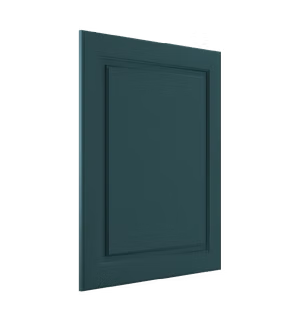
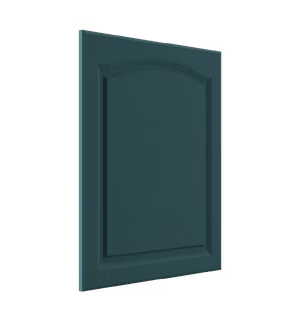
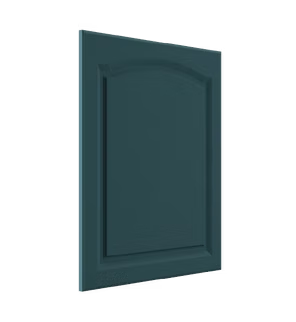
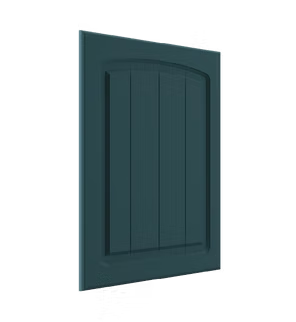
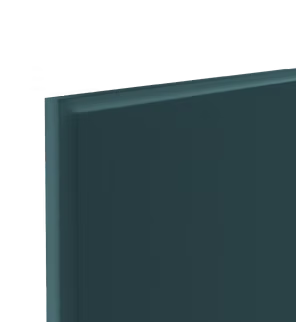
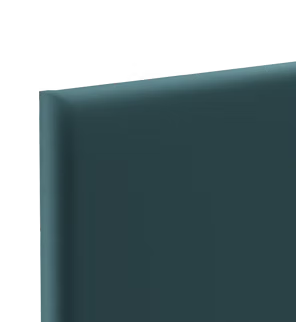
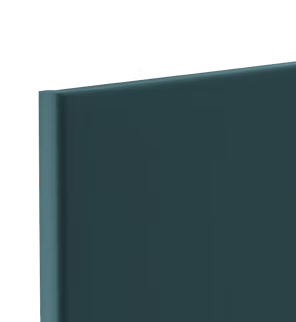
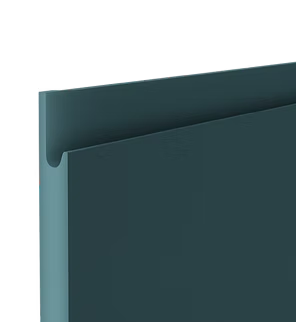
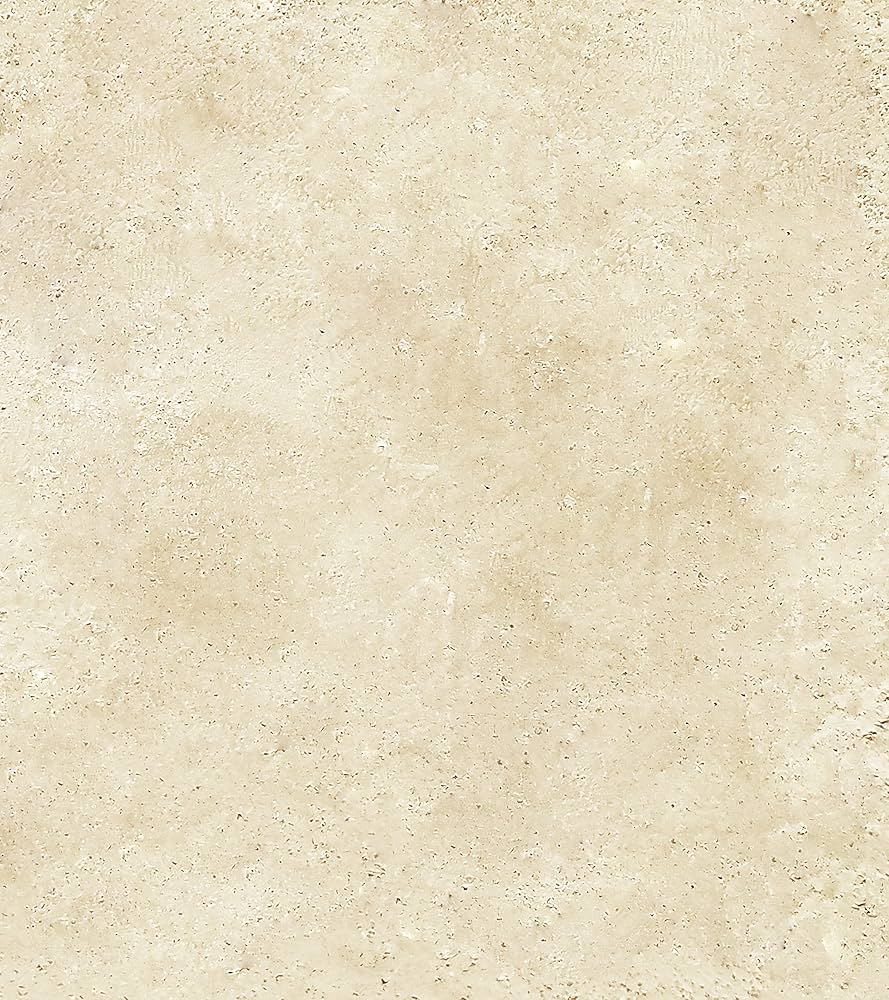
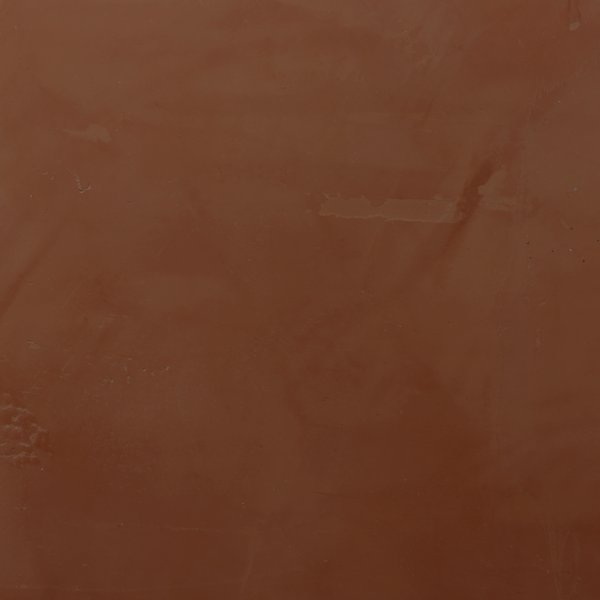
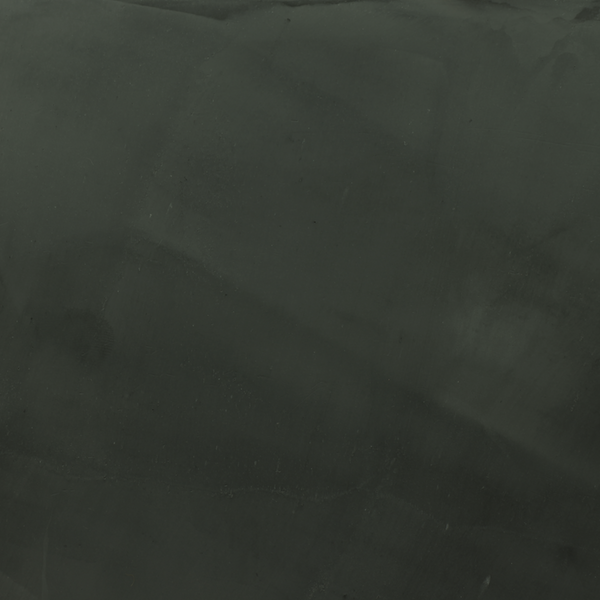
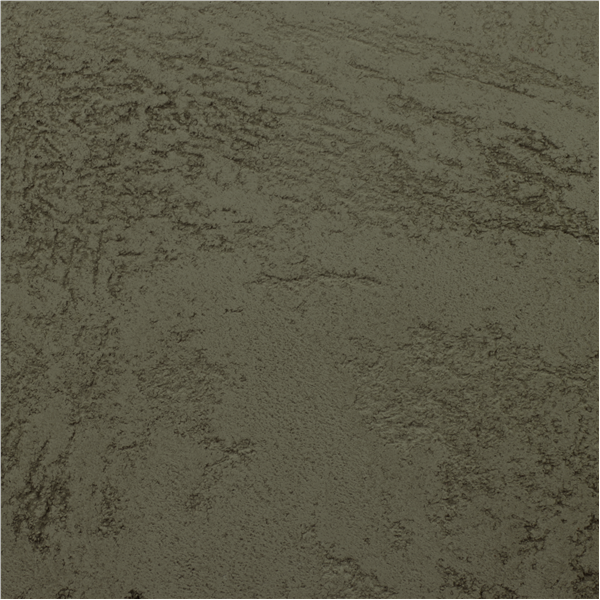
Character cut into grooves, offering elegance in the shadows. Our select range of profiles elevate the overall look of the shutters, rhyming perfectly with our range of kitchens and wardrobes.
101
ClassicoSurface1 (1)
EternoSurface1
EternoSurface1 (1)
EternoSurface2
Nuvo Edge1
Nuvo Edge2
Nuvo Edge3
Nuvo Edge4
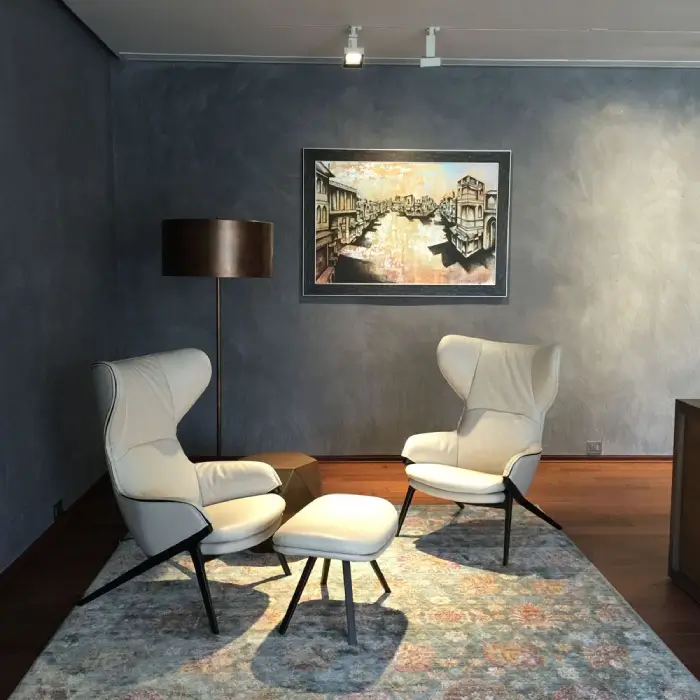
Natural Elegance with Limewash Walls
Lime wash
Natural Lime Plaster Wall Finishes
Lime plaster is a natural, breathable, and durable wall finish, perfect for both modern and heritage homes. Whether you’re styling a luxury villa, restoring a charming bungalow, or seeking an earthy, textured look, lime plaster delivers timeless appeal and superior performance. Our expert team applies lime-based finishes with precision and aesthetic detail across premium homes in Andhra Pradesh, Telangana, and Karnataka.
We combine traditional lime techniques with modern tools to deliver durability, stain resistance, and timeless visual charm. Book a free consultation today to discover finishes that not only look beautiful but also let your walls breathe.
Types of Lime Plaster
Venetian Plaster (Smooth Luxury)
Rustic Texture (Natural Earthy Look)
Lime Wash (Brush-Applied Character)
Textured Finishes (Various Styles)
Lime Concrete Plaster
Natural Lime
Why Choose Lime Plaster?
Natural & Non-Toxic
Crafted from limestone and water, completely free of harmful chemicals.
Breathable Walls
Lets moisture escape naturally, keeping your walls dry and healthy.
Luxury Aesthetic
Matte, smooth, or textured — every finish exudes quiet luxury.
Eco-Conscious Choice
Absorbs CO₂ as it sets — a smart step toward sustainable living.
Effortless Upkeep
Durable, stain-resistant, and built to last with minimal maintenance.
Preparation
Surface cleaned and slightly dampened.
Scratch Coat
First coat applied with coarse lime mix for grip.
Brown Coat
Second layer to level and smoothen the surface.
Final Coat
Thin finishing layer for texture and aesthetics.
Curing
Regular misting for a few days to strengthen and set.
Got Questions?
1. What is limewash and how is it different from regular wall paint?
Limewash is a traditional mineral-based coating made from slaked lime and natural pigments. Unlike acrylic paints, it is breathable, eco-friendly, and gives a soft, matte, and cloud-like appearance. It ages beautifully and develops subtle tonal variations over time.
2. Where is limewash best used?
Limewash is perfect for feature walls, heritage-style homes, bohemian interiors, and eco-conscious spaces. It can be applied to plaster, masonry, drywall, and brick. It’s also great for bedrooms, living areas, and ceilings due to its natural texture and low reflectivity.
3. What are the benefits of using limewash?
Breathable and mold-resistant
Eco-friendly and non-toxic
Naturally antibacterial
Creates a calming, chalky, soft look
Ages beautifully with time
Helps regulate indoor humidity
4. Can limewash be used on new construction and modern interiors?
Yes. Modern limewash products are engineered to work on contemporary surfaces like drywall, gypsum, and cement-based plasters. With the right primers, limewash can complement minimalist, industrial, or earthy design schemes.
5. What is the difference between traditional limewash and modern mineral-based coatings?
Traditional limewash requires porous surfaces and multiple coats, while modern mineral-based coatings can bond to a wider range of substrates and offer improved performance with less maintenance.
6. How long does limewash take to apply and dry?
A standard limewash project is completed in 1 to 3 days. Each coat dries quickly but should be layered carefully for the desired tonal effect. Full curing may take several days depending on humidity and ventilation.
7. Does limewash need a primer or basecoat?
For modern surfaces like cement or drywall, we apply a breathable primer designed specifically for lime-based products. This ensures proper adhesion without trapping moisture.
8. Is limewash suitable for exterior walls or wet zones?
While limewash is traditionally used on exterior masonry, modern formulas can be made water-resistant with sealers. However, we don’t recommend it for direct wet areas like bathrooms unless sealed properly.
9. Can limewash be tinted or customized in color?
Yes. We offer a range of natural pigment-based shades from warm neutrals to earthy tones, custom-blended to match your interior palette. Each color develops unique tonal shifts when applied to textured surfaces.
10. Do you use certified materials and tools for limewash projects?
Yes. We work with leading limewash manufacturers and apply finishes using recommended brushes, rollers, and breathable primers. Our team is trained to follow material-specific techniques for optimal adhesion, layering, and finish quality.